
Everything You Need To Know About Solar Inverters(2026)
- Mr.Tom
- Useful Article
Solar energy is swiftly emerging as a popular trend in contemporary energy generation sectors. But guess what makes it possible to leverage the sun’s energy? Solar inverters! It’s quite flimsy to say we can use solar rays to power our home appliances; however, solar inverters make that dream come true. Basically, they couple with solar panels to generate and convert DC electricity from the sun into AC output that powers our appliances.
It’ll be a major letdown if you are unable to leverage this new tech, won’t it? However, this article will give you exposure to the world of solar energy systems by explaining its most important component: Solar Inverters. Read on to find out everything you must know about solar inverters.
Table of Contents
What is a Solar Inverter?
Solar inverters are devices that work as the middleman between the energy absorbed in solar panels and the usable electricity derived from them. Solar inverters convert DC power produced by solar panels into AC power, the standard for most businesses and electronic devices.
Let’s get a little technical: firstly, photovoltaic cells (or solar panels) absorb energy from the sun, then it spreads the energy across its positive and negative layers; this energy is known as Direct Current (DC). Then solar inverters swoop in to conduct this DC energy from the panels and convert it into Alternating Current (AC), which is useful for businesses and other applications.
Solar inverters vary based on their maximum energy capacity, installation method, and intended application. However, based on their mode of installment — which is more encompassing, solar inverters can be divided into three: grid-tied, off-grid, and hybrid inverters. Each type of inverter performs the same major task of energy conversion but in different ways.
For instance, grid-tied inverters connect directly to your electricity supply system and provide solar electricity depending solely on the grid. The other types of solar inverters have distinct features concerning grid connection, making them ideal for certain applications. We’ll explain the applications, advantages, and letdowns of each solar inverter type in subsequent sections, but let’s briefly find out just how a solar inverter works. Read on!
How Solar Inverters Work?
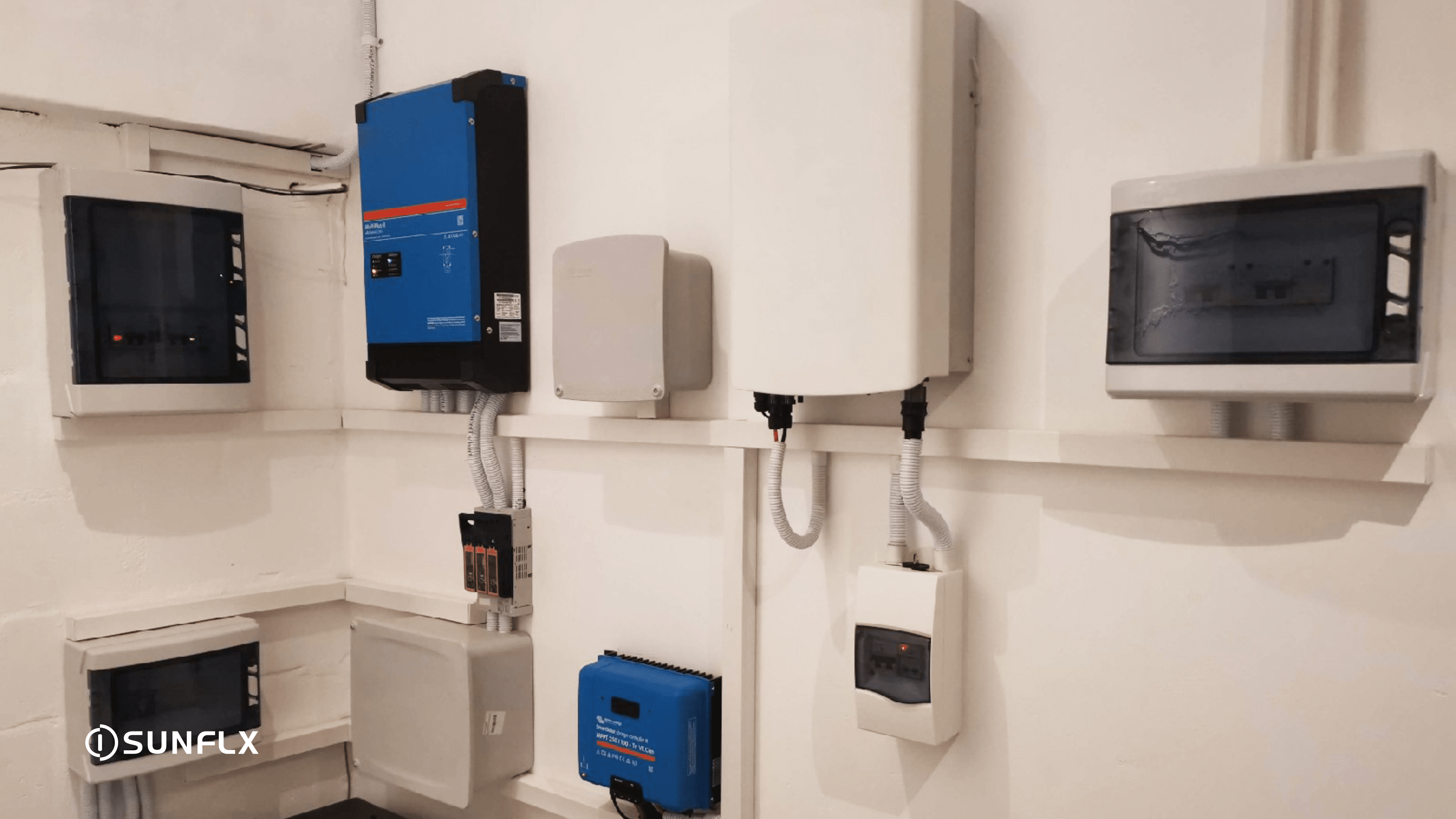
Okay, before we continue, it’s only right that we give you a heads-up. We’ll divide this section into two parts: one containing the basic details of how solar inverters work and the other including more technical illustrations of their workings. Shall we?
As stated earlier, the inverter’s main duty is to convert the ‘unusable’ DC energy in the solar panels into AC electricity for several applications. The energy absorbed from sun rays by photovoltaic cells has different frequencies from what is needed to power our devices and businesses, as the case may be. So, solar inverters simply adjust the voltage and frequency of the DC energy, and voila! You get non-stop AC output for all applications.
For more interested solar energy lovers, let’s use a bit of tech jargon. Solar panels generate DC electricity with a unidirectional flow of electrons. This type of electricity is unusable by appliances, so the inverter must alternate it. Inverters use the H-bridge configuration of transistors, including the Pulse Width Modulation (PWM), to switch the DC input on and off, essentially imitating the back-and-forth flow of AC power. This results in an outflow of electricity, which alternates in direction and can power most electronic appliances.
Types of Solar Inverters
Grid-tied(on-grid) Solar Inverters

As the name implies, grid-tied inverters are coupled directly to your electricity supply compartment. These inverters guarantee that any surplus power produced by your solar panels is returned to the grid, helping to maintain a steady supply of electricity. However, grid-tied inverters require non-stop connection to the grid and cannot function independently during a power outage.

| Advantages | Disadvantages |
|---|---|
| High efficiency | Excessively dependent on grid connection |
| Perfect for areas with net metering | No backup power during outages |
| Cost-effective |
Off-grid Solar Inverters
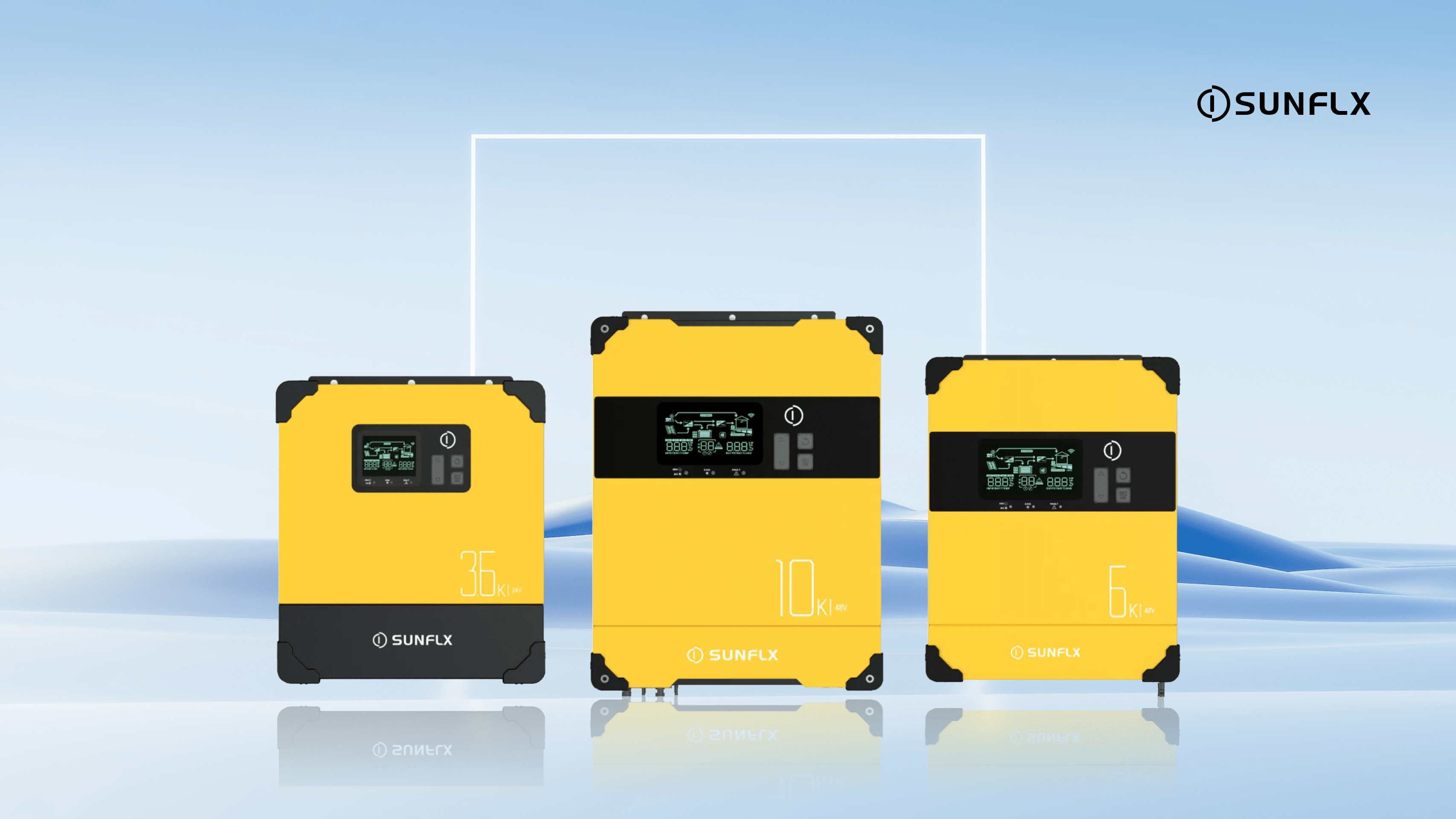
These inverters are specially designed for use in areas with no access to the grid. They work independently of the electrical grid, relying mostly on battery systems to store the converted energy. Simply put, off-grid solar inverters convert DC into AC and send it into connected batteries to store energy for use when the sunlight is insufficient. So, if you want to power your cabin or your home or business is somewhere far from the electric supply system, your best option is to leverage solar power using off-grid solar inverters.

| Advantages | Disadvantages |
|---|---|
| Can work independently | Relatively expensive |
| Ideal for remote areas with little or no access to the grid | Requires efficient battery storage systems |
| Provides backup power |
Hybrid Solar Inverters


| Advantages | Disadvantages |
|---|---|
| Allows you to choose which supply you prefer at any moment | More expensive than off-grid and grid-tied solar inverters |
| Can function during power outages | Requires more complex processes to install |
| Supports battery storage |
Choosing The Right Solar Inverter
System Size
Budget
Future Expansion
Comparing Solar Inverters

Feature | Grid-tied Inverters | Off-grid Inverters | Hybrid Inverters |
Connection to Grid | Yes | No | Yes |
Battery Compatibility | No | Yes | Yes |
Backup Power Compatibility | No | Yes | Yes |
Cost | Least expensive | Moderately expensive | Expensive |
Energy Independence | Low | High | High |
Installation Difficulty | Simple | More Complex | Most Complex |
Efficiency | High | High | High |
Scalability | Low | High | High |
Maintenance | Low | High | High |
Durability | High | High | High |
Installation and Maintenance Tips for Solar Inverters
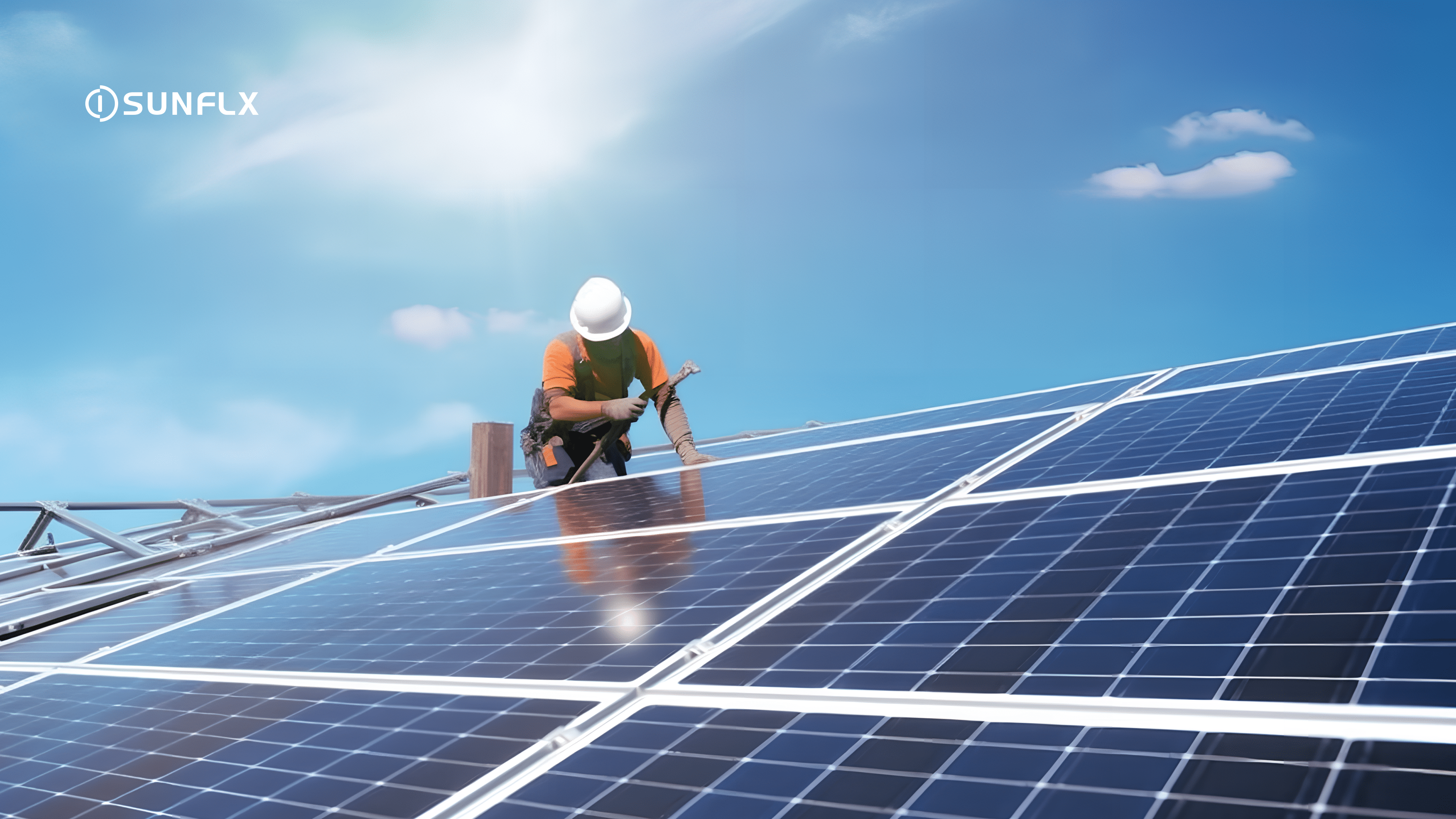
No solar power system is complete without installing solar inverters, which must be maintained to ensure its continuous efficiency. Mounting efficient solar power systems can be a tricky task, especially as care must be taken at every juncture, including the installation of solar inverters to the system. So, if you’re not a tech or electronics expert, we recommend employing the services of a professional to install your solar inverter.
However, if you’ve acquired prior knowledge on the subject, you might as well give it a try yourself. Regardless of your installation knowledge, we’ll be providing some useful tips for installing and ensuring that your solar inverters remain in perfect condition for longer periods.
Installation Tips:
- Employ and/or work with a certified professional to ensure the installation is safe and proper and can provide the most yield.
- Store your inverter in well-ventilated and secure areas to prolong its durability, as some inverters may not cope with excessive exposure to harsh conditions.
- Ensure that all external components (batteries, cables, etc.) are compatible with your solar inverter.
- Read and follow the installation guide strictly if you’re mounting the inverter yourself.
Maintenance Tips:
- Ensure your inverter remains in a suitable, well-ventilated, and cool environment.
- Regularly inspect and clean the solar inverter to prevent dust buildups in crucial parts of the device.
- Schedule periodic checkups to guarantee optimum efficiency.
- Monitor the inverter’s performance through any available digital interface (or the MPPT in most modern inverters) to catch issues early.
Costs and ROI

Understanding the cost-benefit ratio attached to investing in solar inverters is just as important as finding the perfect inverter for your business or household. The solar power sector is evolving rapidly, and there have been more gainers than losers among those who have successfully tapped into this modern energy tech. So, the general bias towards investing in solar inverters is bullish. However, since your application differs from others, you must do your homework to estimate how solar inverters can make you profitable or otherwise.
Generally, solar inverters differ in price, capacity, and efficiency. If you’ve created a relatively low budget and your business is located near the electric grid, it is advisable to opt for grid-tied inverters. This is because as a matter of initial costs, grid-tied solar inverters are relatively cheaper than off-grid and hybrid solar inverters. We, however, prefer off-grid solar inverters thanks to their battery compatibility, which provides electricity during power outages.
However, in the long run, grid-tied inverters give little to no room for energy storage, so they’re not ideal if you’re looking to save both cash and energy for longer periods. Off-grid and hybrid solar inverters, on the other hand, integrate battery systems to store energy for later use, and this can save future energy costs, especially during power outages.
Investing in solar inverters is super profitable if you play your part right. We’re talking about having an unending source of energy (the sun), and all you need to do is a few estimates and precautionary measures, as highlighted above.
Conclusion
It’s no news that leveraging renewable energies, especially solar power, is the next big thing in the energy industry, and what makes this possible is the power of solar inverters. They absorb the DC energy from your solar panels and alternate it into usable AC electricity for all applications. So, choosing the right solar inverter for your home or business is necessary if you want to make the most of the new technology.
Also, we explained the features, functions, and pros and cons of the various types of solar inverters, giving you a clearer picture of what to look for that perfectly aligns with your business. Understanding the costs and ROI attached to solar investment is also an important step to optimizing your solar business, so we provided a concise overview of your potential gains from investing in solar inverters.
With all the information at your disposal, we encourage you to start your research. Utilize the tips provided to identify the ideal solar inverter for your business and ensure a continuous power supply today!However, if you still need extra help in choosing, we recommend you go for SUNFLX inverters, as we have tested and trusted the brand.
FAQs
How many watt solar inverter do I need?
The size of your inverter depends on several factors, such as the size of your solar array and the total wattage of the appliances you want to power. Ensure the size of your solar inverter matches that of your solar array.
What can a 1000W solar inverter run?
1000W solar inverters can power most domestic appliances, including TVs, Laptops, Mobile phones, and small kitchen appliances like electric kettles.
What size inverter do I need for solar power?
The size of your solar inverter should align with your solar array and the size of the appliances you want to power. For example, you can get a 4kW solar inverter for a 4kW/5,320W solar array.
Which brand inverter is best for Me?
Choosing the best inverter brand for home use depends on factors such as budget, efficiency, durability, and warranty. While there are many well-known inverter brands to choose from, here are some of the top 20 global contenders. Please refer to this article: The Ultimate Guide to Choosing the Best China Solar Inverter Manufacturer for Your Solar Energy Business (Update 2024).
How Long Does a Solar Inverter Last?
The typical lifespan is 10 to 15 years, and different types of inverters have varying lifespans. For more details, please refer to this article: How Long Does a Solar Inverter Last?

Hi,I am the author of this Post. From 2012, I have been the CEO of Sunflx Solar. With over 10 years Solar Field experience, I helped customers over 30 countries to boost their business. I wish my knowledge can help you to choose right solar products !
If you got any question about solar, just contact with me !

Powering the Future: Lithium-ion vs. Lead-Acid Batteries – Which Sparks the Brightest Future?(Update 2026)

How to solve Inverter & battery Communication issues ?

How Long Does a Solar Inverter Last? 5 Key Factors That Can Extend Its Life

Difference Between High-Frequency (HF) and Low-Frequency (LF) Solar Inverter?
Contact Us Now!
MADE STRONG
SUNFLX POWER LONG.