
The Role of MPPT Solar Inverters in Solar Energy Systems
- Mr.Tom
- Useful Article
We’ve always wondered what we can profit from the ever-shining sun, and thankfully, recent discoveries have solved the mystery. Solar power generation is now gaining wide acceptance across the world, especially as climate awareness rises among nations.
At the core of this innovation are solar inverters, which transform the sun’s rays into clean, green, and usable electricity for home and industrial applications. But the solar inverter does not work alone; it features several technologies to function, and the MPPT is a crucial part of an efficient inverter.
Maximum Power Point Tracking (MPPT) technology guarantees that solar inverters perform at their highest efficiency, maximizing the energy harvested by solar panels. They assist with tracking and extracting the maximum power from the PV module under certain conditions, among several other applications.
In this guide, we will explore the seemingly important role of MPPT technology in solar inverters. We will explain the benefits, applications, and importance of MPPT solar inverters in solar energy generation.
Table of Contents
Overview of the MPPT Technology
Simply put, MPPT is an innovation employed in solar inverters and charge controllers that streamlines the interaction that occurs between solar panels, batteries, and the utility grid. It is an algorithm that dynamically adjusts the electrical operating points of modules to ensure they operate at their maximum power output.
The highest voltage a solar panel produces is known as the “maximum power point” and sometimes referred to as the “peak power voltage.” This value varies with environmental conditions like sunlight intensity, ambient temperature, or solar cell temperature. As a result, MPPT technology enhances solar energy extraction under a variety of situations by maintaining the array’s operating voltage within the appropriate range.
MPPT technology in solar inverters works using a relatively simple principle which is to extract the highest power from PV modules by making them function at the peak power voltage. Since solar panels have a non-linear power curve, their output is dependent on changing environmental conditions.
MPPT technology continuously monitors these conditions and modifies the electrical burden to find the “maximum power point” where the solar panels can produce the most energy. It does this by comparing PV output and battery voltage, then fixing the ideal voltage to charge the batteries and get maximum power into the batteries.
MPPT solar inverters are most active under cold conditions, with a maximum power voltage of around 18V. Typically, PV modules work better at cooler temperatures, and MPPT is used to extract the highest power obtainable from them. The technology is also crucial when batteries are fully discharged, as it can extract more current from PV modules to charge the batteries.
MPPT technology in solar inverters can also aid power supply to a DC load connected directly to the battery. By doing so, MPPT ensures that solar panels deliver the highest possible power to the inverter, enhancing the overall efficiency of the solar energy system.
Importance of MPPT in Solar Inverters
Regarding solar inverters, maximum power point tracking technology is of great importance. In order to maximize the amount of energy that can be extracted from the PV panel and guarantee battery charge, MPPT automatically modifies the power transmission from the solar cells to the battery. It boosts your solar energy system to be much better than conventional systems. We can categorize the main importance of MPPT in solar inverters into two parts: efficiency and energy harvesting.

Efficiency
MPPT technology maximizes the solar output from photovoltaic (PV) cells, allowing the overall system to be up to 30% more efficient than others. It ensures that the inverter always extracts the maximum available power from the solar panels, even under varying weather conditions. Also, the MPPT algorithm embedded in solar inverters eliminates the need to adjust the power output from PV modules manually. It is an automated tracking and detection technology, and this bolsters the overall efficiency of your solar energy systems
Energy Harvesting
Maximum power point tracking in solar inverters is also very crucial for aiding optimal energy harvesting from solar panels. In most PV modules, the maximum power voltage at 25°C is about 17 Volts, but it can drop to around 15 Volts on extremely hot or cold days due to changes in cell temperature. So, the MPPT technology tracks and adjusts the voltage to the optimal power point despite the wavering conditions. This ensures that every ray of sunlight is converted into clean, usable energy, minimizing losses and maximizing overall energy yield.
What’s the Typical Lifespan of a Solar Inverter?
Solar energy lovers across the world owe innovative companies like SUNFLX for integrating MPPT technology into their solar inverters. This is because the benefits of MPPT in solar systems are numerous and evident, given the mass adoption of MPPT solar inverters in energy systems worldwide. Here are some of the benefits of MPPT technology in solar inverters:
Increased Energy Output
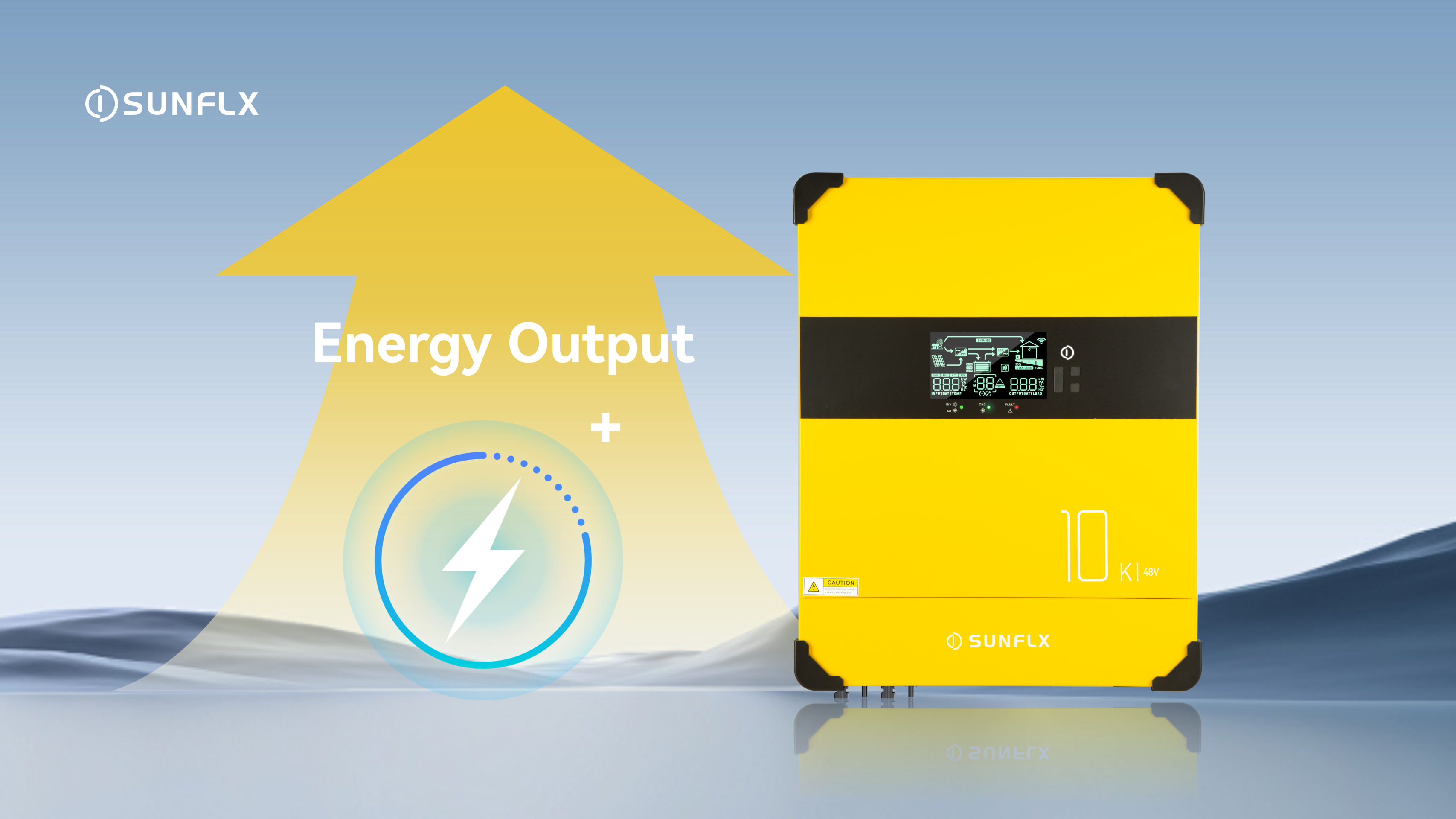
We implied earlier that MPPT-equipped inverters could increase the output of solar systems by up to 30% more than non-MPPT inverters—and we meant it as a fact! Even when available sunlight conditions are not ideal for optimal energy production, MPPT tracking algorithms adjust the operating state of the panel to fit. This ensures PV cells are always functioning within the maximum power point. By doing so, your solar inverters are able to convert every bit of current absorbed by the panels and also charge batteries to improve energy output.
Cost-effectiveness
The use of an MPPT solar inverter also reduces the cost of running a solar-powered energy system. MPPT in solar inverters guarantees improved efficiency, thereby allowing for smaller PV panels and batteries to be used. While MPPT inverters may have a higher upfront cost, the increased energy efficiency leads to lower electricity costs and a quicker RoI. Over time, the enhanced energy output can offset the initial investment, making MPPT technology a cost-effective choice for solar systems.
Reliability
One of the main purposes of solar energy adoption is to generate constant, eco-friendly, and reliable electricity, and MPPT technology brings that dream to life. Operating at optimal power points reduces the strain on the inverter and the solar panels, resulting in a longer lifespan and reduced maintenance costs. You also never have to worry about changing climate or environmental conditions, as the MPPT algorithm guarantees a steady power supply regardless of the season.
Comparison with Other Technologies
There are two major methods for tracking and adjusting the energy output of PV modules and battery charging: MPPT and PWM. Maximum Power Point Tracking (MPPT) and Pulse Width Modulation (PWM) have distinct features and applications in solar systems, but which is better for optimal solar efficiency? Let’s find out
PWM vs. MPPT
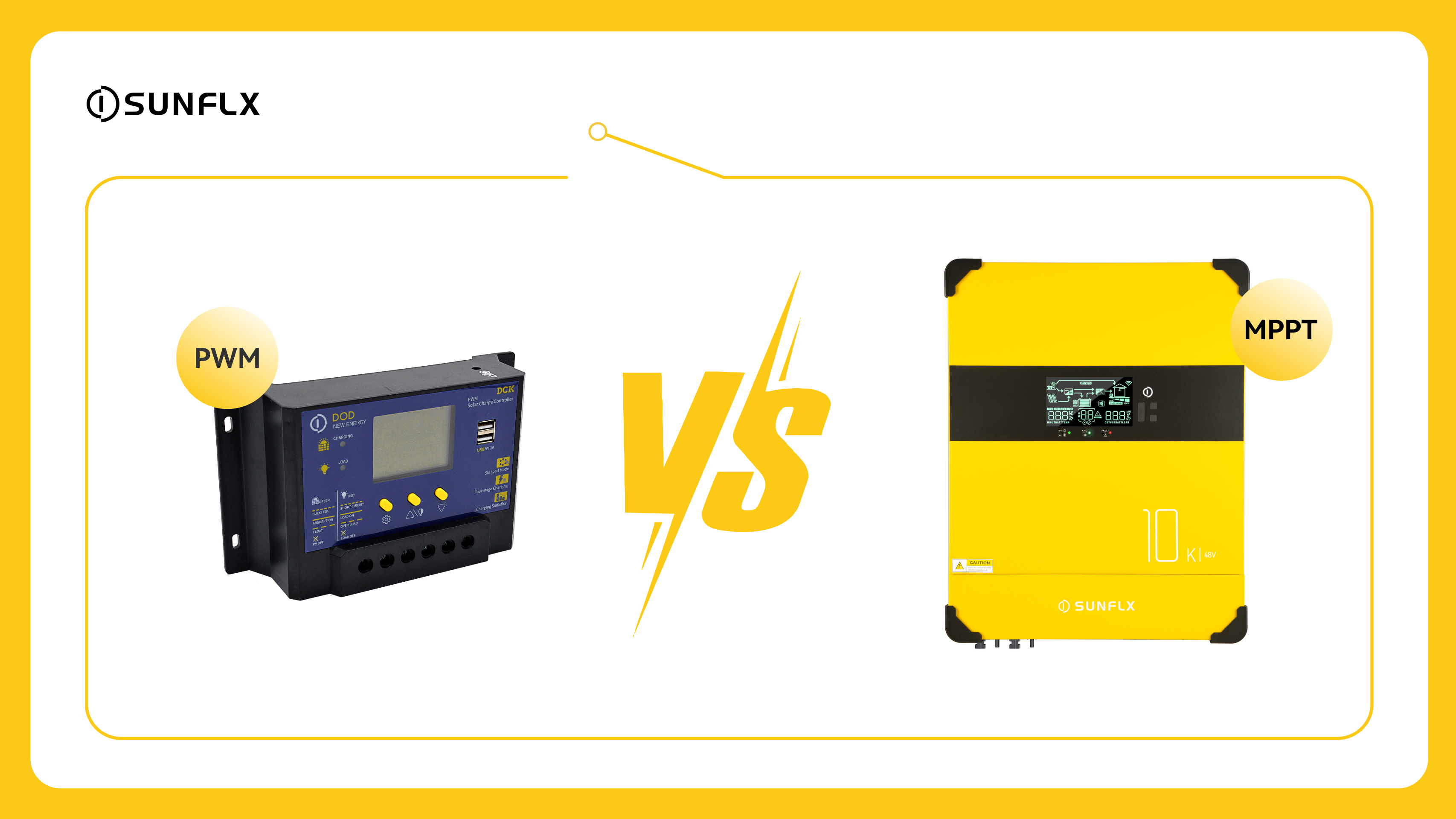
Pulse Modulation Width (PWM) seeks the same goal as MPPT but does it by controlling the voltage from solar panels to match the battery voltage. When comparing PWM and MPPT technologies, our main focus for distinction is the cost and efficiency of both systems. Pulse modulation width technologies are ideal for small-scale applications because they are cheaper and require less technical know-how to operate and maintain. However, more energy is lost when charging the batteries using PWM-enabled systems.
MPPT, on the other hand, is more efficient than other technologies, as little to no energy is lost during energy production. MPPT ensures that every bit of sunlight is converted into usable electricity, resulting in higher efficiency. MPPT is also ideal for both large and small-scale operations despite being slightly costlier than PWM. Eventually, MPPT users will get more quality and efficiency to justify the higher but more affordable cost of operation.
Why is MPPT Better Than Other Technologies?
Technically, MPPT solar inverters are preferable to other technologies, especially as they ensure higher power extraction from the solar array. In contrast to traditional charge controllers that have a conversion efficiency of 70% to 80%, MPPT solar inverters can achieve 98%.
This efficiency results in higher energy output, making MPPT a better option for solar systems. Additionally, MPPT technology features advanced perks, including electronic and current protection, adding an extra layer of security for your solar system. PVM technology is also a rather older feature in solar inverters, with MPPT fitting modern inverters with better efficiency.
Unlike other solar chargers, MPPT solar chargers offer Bluetooth capabilities and customer charging profiles. These features are not a part of PWM solar chargers, making it lose edge when compared with MPPT systems. Lastly, MPPT has better build quality than PWM solar inverters, ensuring its durability even under harsh conditions.
Application of MPPT Technology in Solar Inverters

Residential Use
Acquiring MPPT inverters for their solar systems in houses of all sizes often benefits homeowners. Firstly, increased energy efficiency translates into lower electrical bills, which is crucial for cutting home electricity costs. Additionally, MPPT solar inverters guarantee that solar panels operate at their best even under a variety of weather situations.
This perk is essentially beneficial for households located in areas with inconsistent sunlight. Additionally, thanks to the high efficiency of solar systems with MPPT integration, you can easily power all home appliances, including AC units, TVs, fans, and more. Lastly, the compact size and ease of installation make MPPT inverters a good choice for residential applications.
Commercial Use
Energy demand and consumption are higher in commercial industries, but MPPT solar inverters empower your solar systems to be up to the task. The technology is instrumental in these settings, increasing energy efficiency and lowering the costs of operation. This, in turn, helps businesses maximize their returns on investing in sustainable energy systems.
In addition, MPPT-enabled solar inverters are ideal for companies that need constant and reliable power supplies. By improving efficiency in PV and solar storage systems, your business is sure to get the maximum energy supply from the solar system. In addition to helping industries meet environmental targets, the technology also enhances their corporate social responsibility (CSR) profile.
Off-grid Systems
Off-grid solar systems are often used in isolated or remote areas without access to the main power grid or in areas with unstable power supply. Off-grid inverters with MPPT technology are the game-changer for homes and businesses in this area. It ensures optimal energy capture, usage, and storage, which is crucial in off-grid solar systems where every watt counts.
The output maximization perk presented by MPPT technology in solar inverters also reduces the need for expensive fuel and maintenance of solar systems in remote areas. It provides stable electricity generation and allows the batteries to get adequate power for use whenever grid failures or other wavering conditions occur.
Future Trends and Innovations
It is no news that the world is moving towards broad adoption of solar energy systems, and these advancements also include innovations in maximizing power point tracking technologies. The evolution of MPPT technology is ongoing, with evident advancements in algorithms and hardware. These innovations are aimed at ushering in a new, more efficient method of generating eco-friendly energy regardless of sunlight intensity.
For instance, future technological advancements in MPPT solar inverters are expected to include multi-point tracking systems. This feature will help to optimize the power output for each panel individually, even when they are shaded or operating under different conditions. Also, AI and IoT integration is imminent in MPPT technology development for solar inverters. This integration promises to enhance system efficiency and adaptability further.
There are also promising market trends relating to maximum power point tracking technologies. As more countries earmark renewable energy, the demand for MPPT solar inverters is expected to spike. Governments and businesses are also expected to invest diligently in renewable energy infrastructure. Market trends indicate a shift towards more intelligent and connected solar solutions, with MPPT technology playing a crucial role in this transformation.
Conclusion
In summary, the shift towards renewable energy production is gaining traction thanks to innovative technologies like MPPT in solar inverters. Maximum Power Point Tracking (MPPT) is a more recent technology that helps to generate maximum solar efficiency, minimizing energy losses in its operations. It does this by altering the electrical appliance load to uncover the maximum power point where the PV modules can produce the most energy. This technology presents numerous benefits to the user, including increased energy output, reliability, and minimized operating costs.
If you’re considering installing solar energy systems for your home or business in 2025, ensure that your system includes MPPT technology. The long-term benefits are substantial, and any environmental conditions do not hinder its operation in your location. Look out for companies that offer the best MPPT solar inverter services online today to get started. Or, better still, you can explore the range of high-performance and reliable MPPT solar inverters offered by SUNFLX.
FAQs
Q1: What is the Maximum Power Point (MPP)?
MPP is the point at which a solar photovoltaic module’s current (I) and voltage (V) products are highest.
Q2: What is the Primary Purpose of MPPT Charge Controllers?
Energy from the PV modules is converted to battery voltage by the MPPT solar charge controller, which also keeps track of the accessible maximum power point.
Q3: What Types of Power Sources Are Compatible With the MPPT Technology?
MPPT is typically compatible with a wide range of power sources, including solar panel systems, wind turbines, and alternative energy sources like hydro turbines.
Q4: What is the Lifespan of MPTT Technology in Solar Inverters?
The lifespan of Maximum Power Point Tracking (MPPT) technology in solar systems typically ranges from 25 to 30 years. This depends on factors like environmental conditions and the quality of components used. Regular maintenance and optimal operating conditions can help maximize the lifespan of MPPT systems.
Q5: Does MPTT Overcharge Batteries?
A properly functioning Maximum Power Point Tracking (MPPT) controller should not overcharge a battery but adjusts the charging current based on the battery’s state, and stops the charge when the battery is full. However, if the MPPT controller is faulty or incorrectly configured, it could potentially overcharge the battery.

Hi,I am the author of this Post. From 2012, I have been the CEO of Sunflx Solar. With over 10 years Solar Field experience, I helped customers over 30 countries to boost their business. I wish my knowledge can help you to choose right solar products !
If you got any question about solar, just contact with me !

Powering the Future: Lithium-ion vs. Lead-Acid Batteries – Which Sparks the Brightest Future?(Update 2026)

How to solve Inverter & battery Communication issues ?

How Long Does a Solar Inverter Last? 5 Key Factors That Can Extend Its Life

Difference Between High-Frequency (HF) and Low-Frequency (LF) Solar Inverter?
Contact Us Now!
MADE STRONG
SUNFLX POWER LONG.