
What Can Different Power (1-10kW) Solar Inverters Run?
- السيد توم
- المادة مفيدة
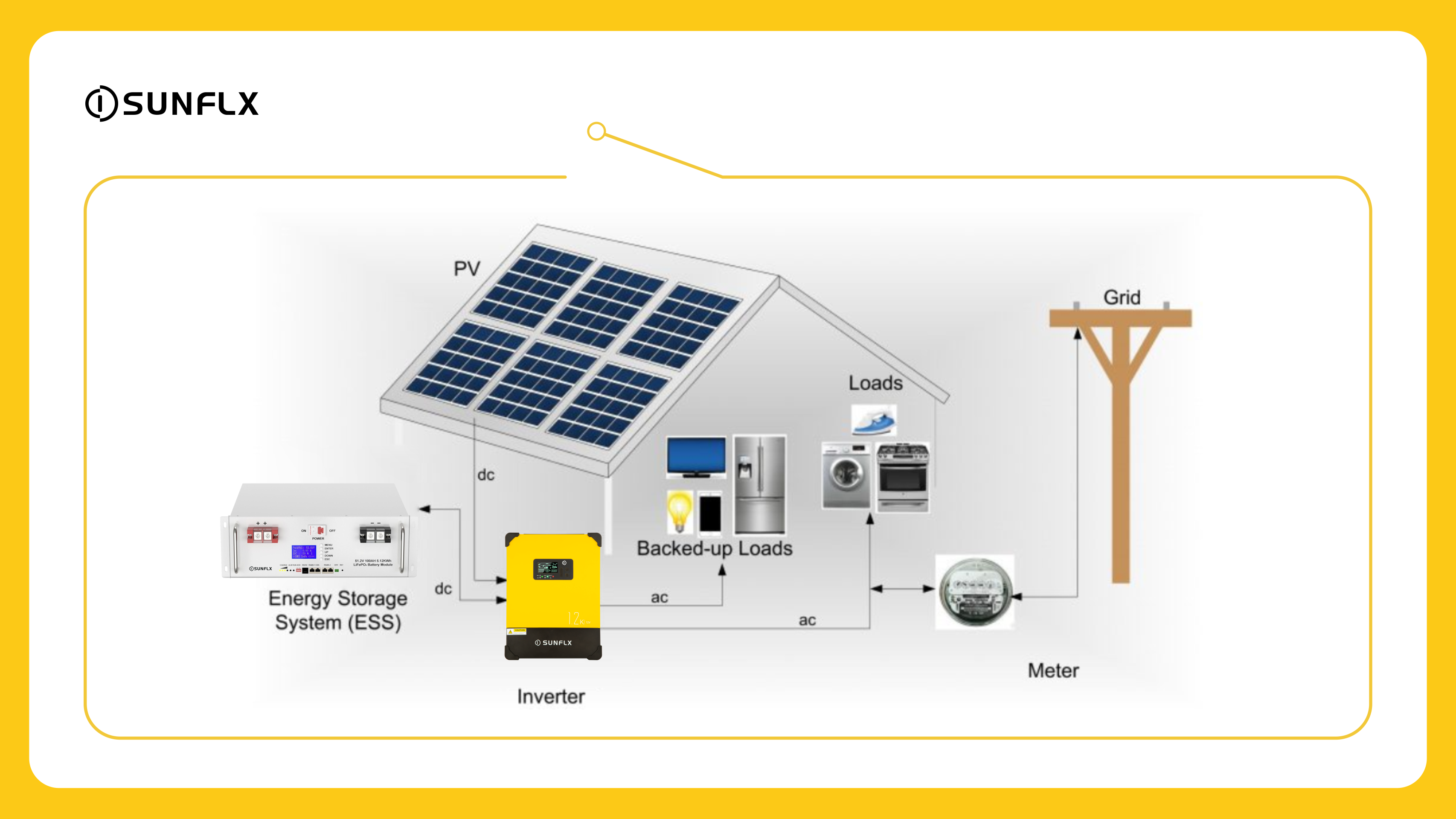
Leveraging solar power is the new trend, as many homes and businesses are bored of unstable, unrenewable power sources. However, you can not use solar power without an efficient solar inverter, as it is the main device in solar power systems responsible for converting solar energy into usable electricity. In other words, this device converts DC electricity generated from the solar panels into alternating current (AC) electricity, which is used to power household or industrial appliances.
However, inverters are classified according to the wattage limits they can process, which is known as their power. To get the best performance from your solar power systems, you must understand the power ratings of your coupled components, especially the inverter. This is because the amount of power your inverters hold determines the size of appliances they can run.
Knowing your inverters’ power ratings will help you choose the right one for your home, business, or other applications. In this article, we will explain everything you need to know about solar inverter power and reveal the appliances that specific inverters can run.
جدول المحتويات
Understanding Solar Inverter Power
Solar inverter power refers to the maximum electrical load an inverter can handle. It is usually measured in watts (W) or kilowatts (kW), and it directly dictates the volume of energy your system can process, thereby influencing the general performance of your solar system.
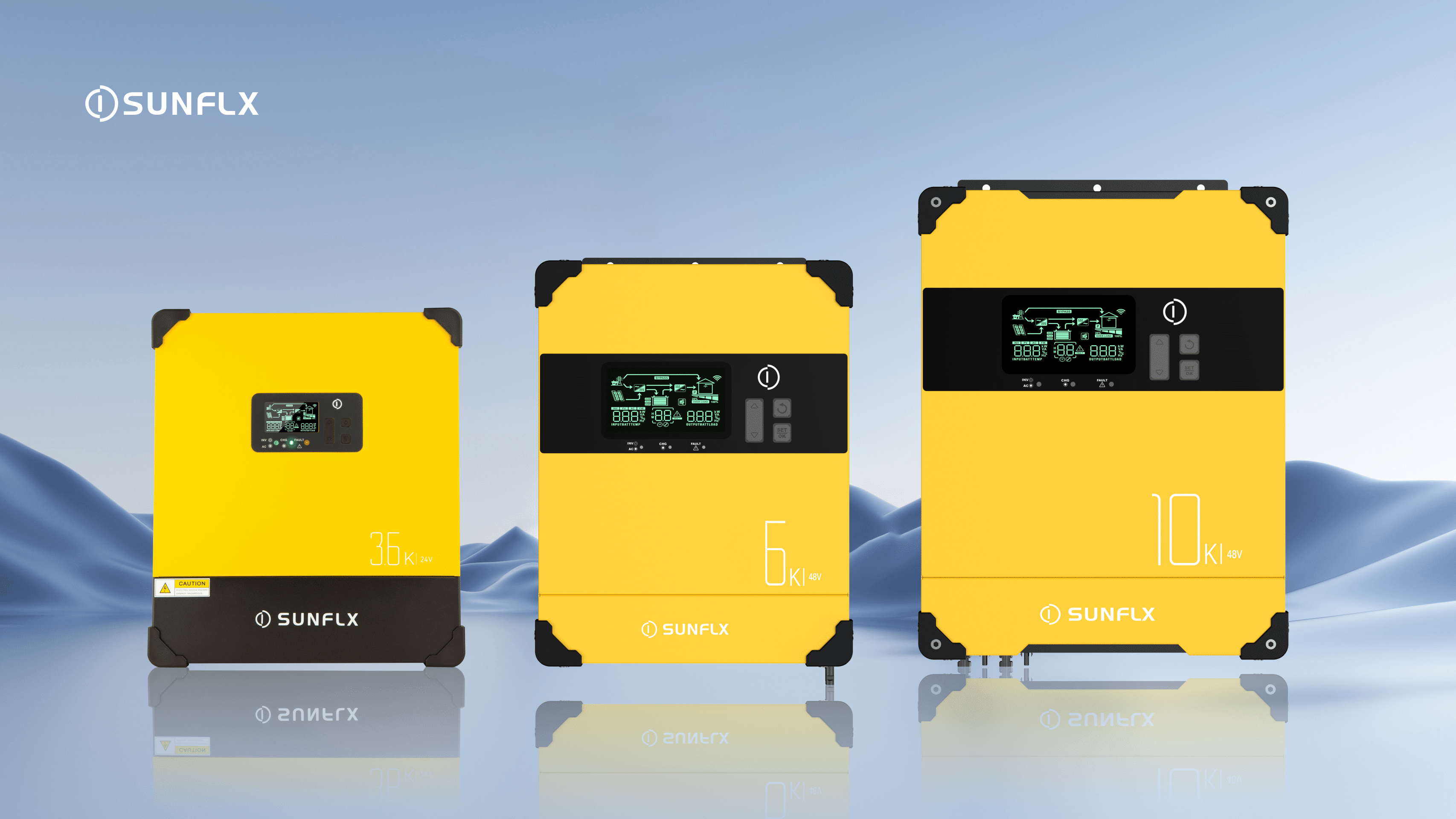
The power capacity of solar inverters is distinct from product to product, and this determines what you can and cannot power using specific inverters. For instance, the 10kW solar inverter can accommodate more household or industrial appliances than a 5kW solar inverter, which can only handle a few home appliances.
Choosing a solar system for your home largely depends on how much power you are likely to consume, that is, your daily power consumption. That is why we always advise that you generate an estimate for the amount of power your applications need before installing an inverter to your solar system.
Also, solar power ratings influence the overall performance of your solar energy systems. Overloading an inverter—using a lesser-powered inverter for applications having heavy power demands, e.g., water pumping machines—will affect the output. It can lead to inefficiency, system failure, or reduced lifespan of both the inverter and connected appliances.
Solar power ratings can be further divided into two parts, depending on the volume of energy that the inverter can process at any given time. The first, “Continuous Power Rating,” refers to the maximum power the inverter can handle over an extended period.
On the other hand, a “Surge Power Rating” accounts for short spikes in demand, such as when starting appliances like refrigerators or air conditioners. Having a broad view of these ratings and other components of your solar inverter is crucial if you want to optimize your solar power system.
Types of Solar Inverters
There are three major types of solar inverters, depending on their relationship with the electricity grid: Grid-tied, Off-grid, and Hybrid inverters. Each type is suited for specific solar energy setups and different applications.
- Grid-tied (or On-grid) solar inverters are suited for solar energy systems connected to the utility grid. These inverters convert DC energy into AC electricity according to the grid’s voltage and frequency. They also supply energy to the utility grid when solar power generation exceeds demand and draw power from the grid when solar energy is insufficient.
Grid-tied inverters operate without batteries, meaning that they can’t provide backup power during power outages. - Off-grid solar inverters are designed for solar systems where grid connection is unavailable or impractical. In other words, these inverters can work independently of the grid. Off-grid inverters can provide backup electricity during outages, as they store excess energy in the batteries attached to them during optimal energy production. The stored energy can easily be used whenever your solar panels aren’t generating adequate power, especially at night. They are ideal for remote locations, providing a self-sufficient energy solution.
- Hybrid solar inverters are a mix of both on-grid and off-grid inverters. They can operate with or without a grid connection and often include battery storage integration. With this setup, they can feed energy into the grid, store it in batteries, and provide backup power during outages. They are ideal for users looking to reap the benefits of both grid-tied and off-grid systems, with the flexibility to sell excess power back to the grid.
Why Power Rating Matters
To optimize your solar energy systems, you must have a clear picture of what the different power ratings entail. Knowing the limits and measures of an inverter’s power ratings ensures that you never overload or underload your solar system, thereby generating the perfect amount of energy to power your household or business applications. Selecting the right power rating for a solar inverter involves understanding load requirements, efficiency, application size, and several other factors.
The total load, for instance, entails the total of appliances in your home or industry. Before you choose a solar inverter with a specified power rating, you must compute the wattage of all devices to ensure the inverter can handle the demand, including peak surges.
For example, a 5kW solar inverter can efficiently power homes with minor appliances like fans, lights, TVs, and refrigerators. However, if your household appliances total between 30,000 and 40,000 watts, you must opt for a higher-capacity inverter. In such cases, the 10kW solar inverter power rating is ideal because it typically generates about 40kWh daily in an area with a peak sun of 4-5 hours.
Installing solar energy systems with the right inverter ratings also has far-reaching impacts on the efficiency and longevity of your solar system. Inverters work best within their recommended load range, and overloading will reduce efficiency and damage the device.
Also, an under-utilized inverter will generate too much excess energy, which can affect the longevity of such an inverter. It is important to find a balance between the energy demand of your home or industry and the power rating of your solar inverter. A properly sized inverter experiences fewer strains, leading to fewer malfunctions and a longer lifespan.
Energy Load and Home Appliances
We mentioned earlier that it is important to identify the total load of your household or business appliances. The wattage total of all appliances connected to a power source is also known as the energy load. All electrical devices come with specific descriptions about the total amount of energy they require to function perfectly.
To acquire information about the total energy load of all devices in your home, you must know how to calculate the energy consumption of your appliances. This is usually done using the formula below:
Energy Consumption (kWh) = [Power (W) × Time (Hours)] ÷ 1000
Common Home Appliances Power Requirements
It is advisable to estimate the energy load using an estimated timeframe, as it is almost impossible to get the exact amount of hours you will use a particular appliance daily. To provide you with a starting point, we have created a list of basic appliances and their average power ratings, as shown below:
Household Appliance(s) | Watts per hour (W) | Avg hours per day | Total Energy Rating (kWh) |
2 × LCD TVs | 60 | 10 | 0.6 |
2 × Laptops | 200 | 6 | 1.2 |
Central Air Conditioner | 3200 | 3 | 9.6 |
10 × 7 watts LED Lights | 70 | 6 | 0.42 |
Freezer | 42 | 24 | 1 |
Dishwasher | 1800 | 1.5 | 2.7 |
Pool pumps | 2000 | 8 | 16 |
≈ 32 |

Matching Inverter Power
لأن مجموع الطاقة تصنيف قائمة الأجهزة أعلاه هو عن 32kW المثالي العاكس للطاقة الشمسية أن تكون واحدة مع قوة التقييم من بين 8-10kW. وفيما يلي أمثلة على ما قلاب مع مختلف تصنيفات الطاقة يمكن تشغيل:
- 1-2kW: Basic setups (lights, fans, small refrigerator, etc).
- 3-5kW: Medium-sized houses with lights, fans, multiple refrigerators, TVs, and small AC units.
- 6-10kW: These are suitable for large households or light industrial setups with all basic appliances and heavy-duty devices like water pumps, washing machines, large ACs, and so on.
Solar System Capacity
The capacity of any solar system refers to the maximum amount of output the system produces per the energy load of your applications. To fully power your home or industrial appliances using solar energy, you must install a solar system that is capable of handling the total energy ratings.
So, using the estimated energy ratings of your various devices, you can calculate the solar system capacity that is required for optimal performance. To calculate the ideal solar system capacity, use the formula below:
Required Capacity (kW) = Daily Energy Load (kWh) ÷ Peak Sunlight Hours
For example, if your daily energy load is 10kW and your area receives 5 peak sunlight hours, the required solar system capacity is:
= 10kWh ÷ 5
= 2kW solar system capacity.
Factors Influencing Capacity
In addition to the above indicators for calculating solar system capacity, several other factors can affect the capacity and efficiency of your solar systems.
- Firstly, the quality of your photovoltaic cells can affect the solar system’s capacity. PV cells or solar panels are made with different maximum voltage capacities and some are better quality than others. Higher efficiency panels generate more power per square meter.
- Also, battery storage systems have a great impact on the maximum capacity of your solar systems. In off-grid systems with battery integration, adequate storage ensures energy availability during nighttime or cloudy days, without grid dependence.
- Lastly, the location of your house or industry can influence the total splay system capacity. Peak sunlight hours and availability vary by geographic location and season, thereby influencing the solar system capacity at any given time.
Sizing Your Solar System
In order to ensure optimal performance of your (off-grid) solar systems, there must be a balance between the solar inverters, panels, and batteries. The inverter power must match or exceed your household’s total energy load. Also, your solar panels must generate sufficient energy to cover daily consumption and recharge batteries. Lastly, you must install a battery with adequate storage capacity to provide electricity during nighttime, power outage, or cloudy seasons.
Off-grid Solar Systems
This refers to a solar energy setup that functions independently of the power grid. Off-grid solar systems usually include PV cells, an off-grid solar inverter, and adequate battery integration for power storage and distribution during nighttime when the sun is no longer at peak. Inverters in an off-grid solar system manage the flow of electricity from solar panels to the battery and then to the home.
The main advantages of this system include independence from the grid and nonstop electricity supply, full control over energy use and storage, suitability for remote locations without grid access, and many more. However, this system has very few limitations, including higher initial investment due to the need for additional battery storage and additional maintenance procedures.
Major Components of Off-grid Solar Systems:
- الألواح الشمسية (PV cells): التقاط و تحويل أشعة الشمس إلى العاصمة الكهرباء.
- العاكسون: تحويل DC إلى للاستخدام التيار المتردد.
- البطاريات: تخزين الطاقة الزائدة لاستخدامها في وقت لاحق.
- Charge Controllers: To regulate voltage and prevent battery overcharging.
To install an off-grid inverter into your solar system and leverage its full potential, you must consider a few factors. Firstly, ensure that the off-grid solar inverter can handle Hugh surge loads from your heavy-duty devices, if any. Appliances like water pumps, dishwashers, and large air conditioners generate high surge power.
Hence, you must install an inverter with enough capacity to handle such appliances for long periods. Also, select an inverter that is compatible with your battery voltage and type (e.g., 12V, 24V, or 48V battery systems). Lastly, choose an inverter that features high scalability potentials for future expansion.
الختام
We can not overemphasize the importance of matching the inverter’s power ratings to your energy needs. Doing this is crucial for reliable and efficient solar energy systems, allowing you to obtain the right amounts of energy for all your appliances. Using the formulas highlighted in this post, you can compute the energy load and capacity of your solar systems and match them to ensure compatibility, longevity, and overall efficiency of your solar system.
You can request the help of professionals when looking to match your appliance with an ideal solar system. Reach out to SUNFLX today to get our expert thoughts on the inverter that fits your home or business needs perfectly. You can also check out our product catalog if you’ve been able to figure out the right solar inverter for you using the article’s info.
FAQs
س1: هل الأفضل كبيرة الحجم العاكس?
نعم ، فمن الأفضل أن المعتاد الخاص بك الطاقة الشمسية العاكس ، ولكن يجب أن يتم ذلك بعناية. فإنه يسمح لسهولة الاستيعاب ، ويمنع الحمولة الزائدة ، و يضمن طول العمر. اختيار العاكس هو 10-20 ٪ أكبر من لوحة الخاص بك مجموعة الإخراج.
Q2: How long can a 10kVA inverter power my appliances?
The runtime of a 10kVA solar inverter depends on your battery capacity, the total power consumption of your appliances, and the depth of discharge allowed for the batteries. Hence, find out these details to get an overview of how long a 10kVA will power your appliances.
Q3: Does a larger inverter consume more energy?
Yes, a larger inverter consumes more energy, but it is barely noticeable. Match your inverters closely to your energy needs to prevent unnecessary energy loss and maximize efficiency. Seek expert advice at SUNFLX to get a proper matching between your inverter and home appliances’ energy needs.
Q4: Is 10kW inverter enough to run a house?
A 10kW inverter can power a house, but it depends on several factors, such as the size of the house, the number of occupants, and the types of appliances and devices being used. A 10kW system can satisfy the electrical requirements of a typical average-sized home with moderate energy use. Still, a 10kW system might not be enough if the house is larger or uses a lot of energy. Hence, the correct response depends on how much energy the house uses.
Q5: How many batteries do I need for a 10kW inverter?
A 10kW inverter normally requires 8 to 12 12V batteries, depending on battery capacity (for example, 200Ah) and required backup time. Ensure that the entire battery capacity fulfills your energy requirements and the inverter specs.

مرحبا,أنا صاحب هذا المنصب. من عام 2012 ، لقد كنت الرئيس التنفيذي لشركة Sunflx الشمسية. مع أكثر من 10 سنوات في مجال الطاقة الشمسية تجربة ساعدت العملاء في أكثر من 30 بلدا إلى تعزيز أعمالهم. اتمنى ان المعرفة يمكن أن تساعدك على اختيار الحق منتجات الطاقة الشمسية !
إذا كان لديك أي سؤال حول الطاقة الشمسية فقط الاتصال معي !

Powering the Future: Lithium-ion vs. Lead-Acid Batteries – Which Sparks the Brightest Future?(Update 2026)

كيفية حل العاكس البطارية الاتصالات القضايا ؟

كم الشمسية العاكس الماضي ؟ 5 العوامل الرئيسية التي يمكن أن تمتد به الحياة

الفرق بين عالية التردد (HF) و التردد المنخفض (LF) الشمسية العاكس ؟
اتصل بنا الآن!
قدم قوية
SUNFLX الطاقة طويلة.