
How Solar Inverter with Battery Storage Work Together?
- Mr.Tom
- Useful Article
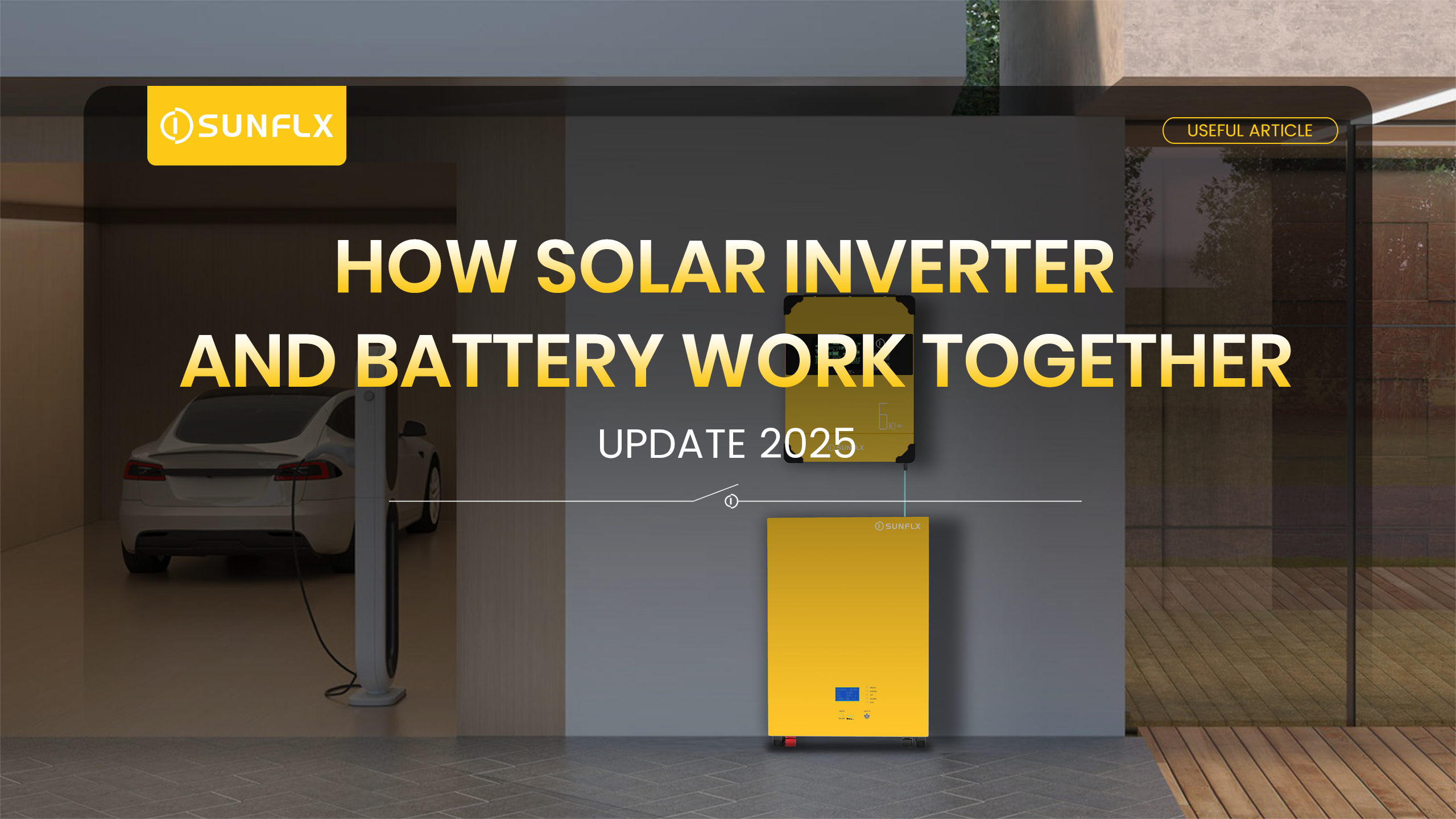
Solar energy systems rely on the seamless collaboration of solar inverters with battery storage to optimize efficiency and reliability. The inverter converts energy from the sun into usable electricity, while the battery stores excess power for future use. This setup ensures a steady energy supply, even at night or during low sunlight, making it a reliable solution for renewable energy needs.
By combining a solar inverter with battery storage, you can achieve greater energy independence and efficiency. The battery acts as a solar energy storage solution, keeping your system running even during grid outages. Together, these components enhance the performance of your solar power system, reducing grid reliance and promoting sustainability.
Table of Contents
Getting to Know Solar Inverters
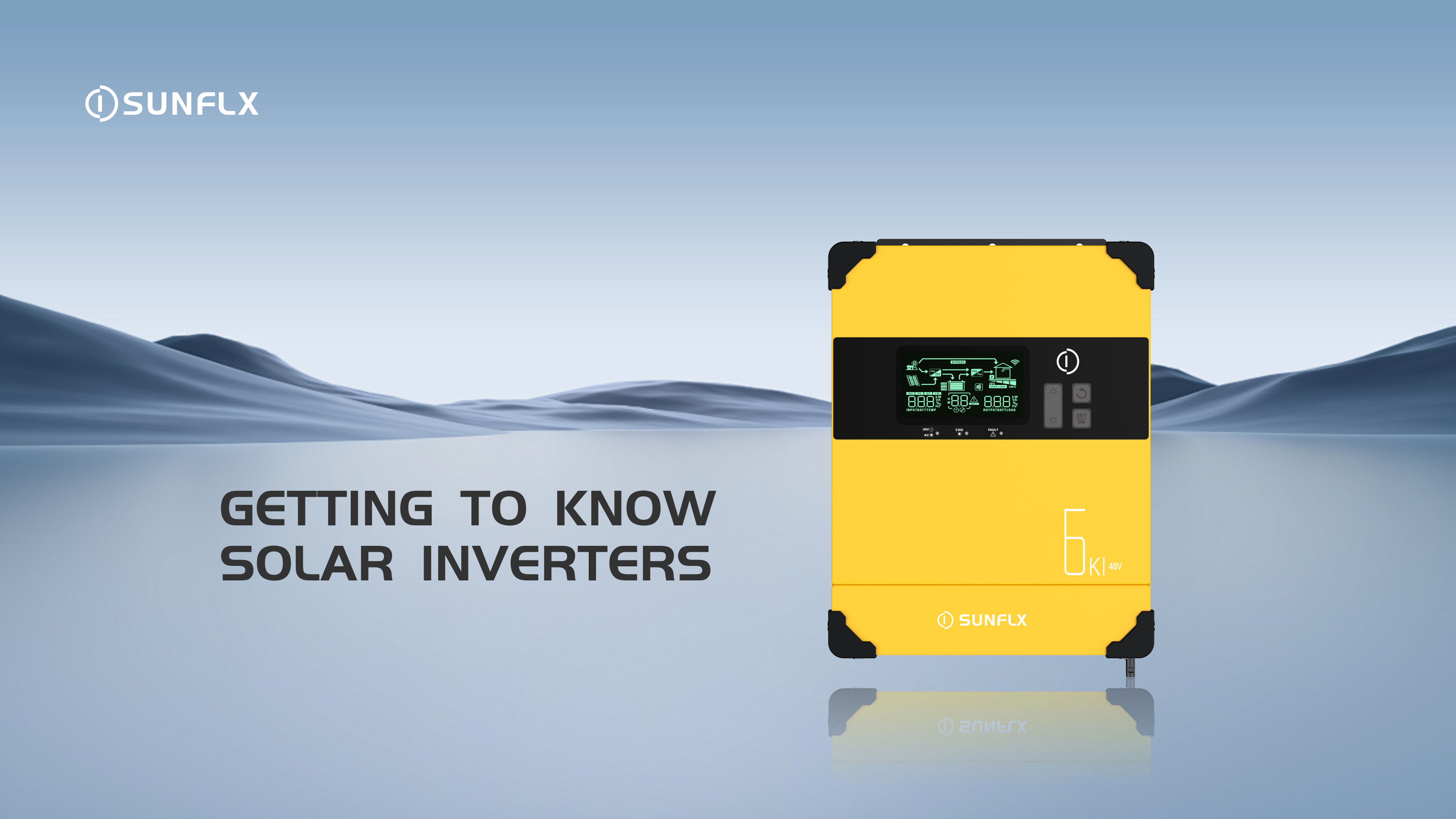
It is often said that solar inverters are the heart (the core component) of a solar energy system, but why is that? You must have probably thought solar panels are the ones doing all the job, turning in electricity to power homes and offices, but they are not. Solar inverters convert direct current (DC) in solar panels (from the energy that the panels absorb from the sun) into alternate current (AC) for home and grid use.
Most electronic devices, appliances, and industrial machines can only be powered by AC electricity, so depending on only DC from the panels makes the photovoltaic setup incomplete. However, with a solar inverter efficiently performing its energy conversion duties, you can get usable energy for all applications.
There are different kinds of solar inverters, depending on their size, support for solar energy storage solutions, and relationship with the PV cells; they include string inverters, microinverters, off-grid inverters, and hybrid inverters.
String Inverters
As the name implies, these inverters connect multiple solar panels in series to form a “string.” When every panel receives the same quantity of unobstructed sunshine, they convert the total DC output of all the panels and achieve their maximum output. On the other hand, shading one of the string’s panels can drastically lower the string’s overall output.
Microinverters
Usually smaller in size compared to string inverters, microinverters are connected to the back of each solar panel, and they convert the DC output of each panel into AC power independently. They are more resistant to PV cell shading but require more time, wiring, and components to set up.
Off-grid Inverter
Off-grid inverters are often referred to as the gateway to energy independence since these types operate fully independently of the electrical grid to give users clean and sustainable energy. For this purpose, batteries are required to store energy produced in the daytime for use later at night. This allows you to live or work in remote locations without leaning on the conventional power grid. Off-grid inverters offer a steadfast and endurable energy solution, empowering you to control your energy consumption.
Hybrid Inverters
Solar Energy Systems: What Is the Role of Battery Storage?
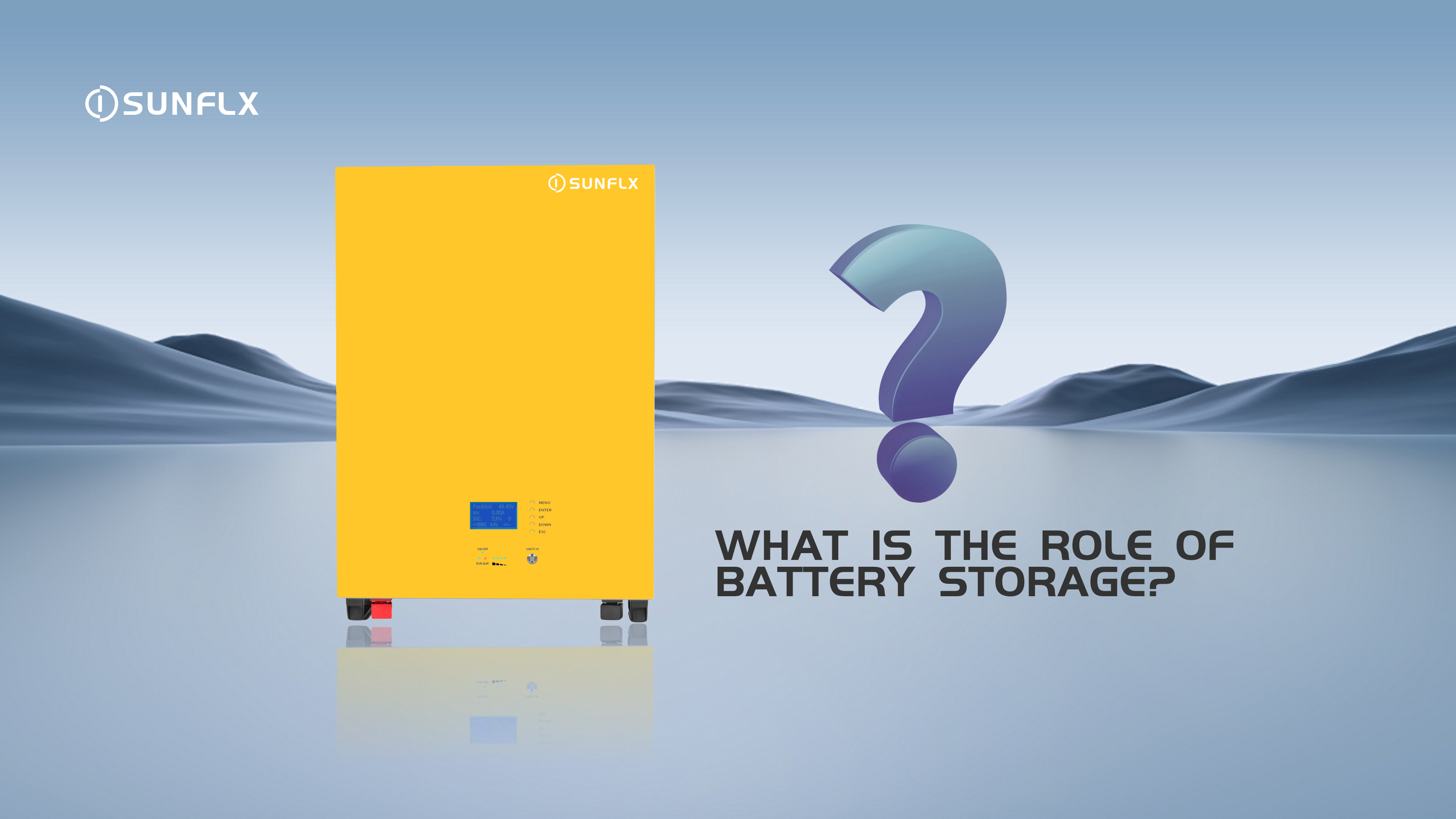
Using a solar inverter with battery storage just defines what renewable energy is all about – an avenue to get nonstop, cost-effective, and eco-friendly electric energy. Batteries are popular devices used to store and provide electric energy when needed. In a photovolLead Acid Batteries These batteries are of two types (sealed and flooded lead-acid batteries), and even thou they’re the oldest type in the industry, their relevance is still indisputable in today’s applications. Sealed lead-acid batteries are designed to minimize the emission of toxic gases during the charging process, making them a more eco-friendly alternative.
Flooded lead-acid batteries, however, are essentially a larger version of a conventional automobile battery. Lead-acid batteries are the most affordable option for solar energy integration, but they have a shorter lifespan overall.
Flow Batteries
How Solar Inverters and Batteries Work Together?

Lithium-ion Batteries
In a solar energy system, the power battery is essential for ensuring an uninterrupted power supply in case of grid failure. The synergy between both devices is what guarantees a smooth energy transition in all solar power setups. So, how do these devices collaborate to supply nonstop energy for all applications? Let’s get more technical.
During the day—starting from sunrise, the visible sunlight hitting solar panels is converted to DC power. Solar panels are made up of photovoltaic cells, which are responsible for the initial conversion through the “photovoltaic effect.”
The DC power obtained from the solar panels is then fed into a solar inverter for further conversion. At this stage, the inverter takes in the raw direct current and then transforms it into alternating current (AC) electricity. However, solar energy generation is intermittent and depends on weather conditions, necessitating the need for solar energy storage solutions.
Batteries added to the mix help to store excess energy during peak sunlight hours to provide electricity during nighttime or power outages. Batteries can also be used for peak shaving or load leveling by discharging during periods of low sunlight, but the electricity demand is high.
Solar inverters and battery storage facilities are made with MPPT and BMS protocols, respectively, allowing them to manage and monitor the flow of energy in both devices. At night, the solar panels are largely inactive, but your home or industry applications will be powered by energy stored in batteries.
The real event occurs when solar inverters and batteries are integrated. Hybrid or off-grid inverters, which combine the functionalities of solar and battery inverters, are designed to seamlessly manage the flow of energy between the solar panels, the battery storage, and the human electricity consumption. After conversion and storage, here’s how the solar inverter and battery collaborate when integrated:
- Charging Coordination: In such cases, the inverter plays a crucial role, effectively monitoring the state of charge in the battery and regulating the charging processes for optimal battery health and life. Inverters like the off-grid and hybrid types often charge your batteries from excess solar power while simultaneously supplying power to the load.
- Output Management: The inverter automatically switches to battery mode if the solar system is not generating enough power from sunlight. The battery mode then keeps you in power using the initially stored energy when the sunlight is at its peak. It also controls the discharge process to enable the load’s free access to uninterrupted power and avoid over-discharge-related issues that can damage the battery.
- System Optimization: The inverter and the battery collaborate to optimize energy flows based on key factors that include solar generation, energy consumption patterns, time-of-use electricity tariffs, and grid conditions. This form of smart management enables maximum solar energy self-consumption while limiting grid dependence.
You can see that no matter the case, when solar inverter and battery are combined, you’ll always have access to energy. This unity is fundamental to achieving energy independence, which enables users to:
- Reduce or Eliminate Grid Dependence: This allows users to significantly or even completely reduce their dependence on the utility grid, protecting themselves from rising electricity prices and grid instability.
- Enhance Energy Security: Battery backup provides a reliable power source during grid outages, ensuring essential services remain operational.
- Promote Sustainability: The systems thus promote a sustainable energy future through the optimum utilization of clean, renewable solar energy.
Benefits of Combining Solar Inverters With Battery Storage
Hybrid and off-grid inverters have an edge over gridlocked solar inverters because they can provide more electricity from exposure to equal amounts of daily sunlight. This advantage is provided thanks to the combined battery storage systems in off-grid and hybrid inverters. In addition to the above-stated benefits, here are some other perks you can get from using a solar inverter with battery storage systems.
Energy Independence and Reliability
Combining solar inverters with efficient battery systems means you need not worry about grid failures or outages. Since the solar inverter is coupled with an efficient battery storage system, you can rely on the stored electricity in batteries to power your homes or business appliances, regardless of grid availability. Batteries also help stabilize the electrical grid by providing energy during demand spikes, thus reducing the need for peaker plants.
Connecting a proper battery system to your solar energy setup improves self-reliance and durability. You have no business with whether the grid is secure or not since batteries serve as a form of microgrid, functioning without the main utility grid. They can also aid the maintenance of voltage and electrical frequency, guaranteeing the longevity of your components and efficient energy distribution.
Cost Savings and Efficiency
Thanks to the grid independence and high storage capacity it provides, combining solar inverters helps reduce the cost of electricity generation. By generating and storing your electricity per your application demands, you can save costs or even eliminate electricity bills.
For instance, during peak demand, when electricity from the grid is most expensive, you can switch to generate electricity from your solar inverters and battery storage systems. Plus modern solar inverters and battery storage systems are highly efficient, especially when they are selected carefully to suit your personal energy needs.

Environmental Benefits
As part of climate awareness programs to revive Mother Nature, renewable energy protocols have been advised for worldwide adoption. Without any doubt, solar conversion is at the center of this transition to renewable energy generation, as the energy obtained from the sun is clean and eco-friendly.
It gets even better when you combine inverters with batteries. By storing excess energy, you reduce the need to rely on fossil fuels during non-sunny periods, lowering your carbon footprint. Want a better planet for everyone? Transition into solar power generation today with efficient battery systems for clean energy storage.
Solar Energy Storage Solutions
When it comes to solar energy storage solutions, numerous companies and industries across the globe are highly invested in providing them. Solar energy storage systems offer an effective solution for homeowners and businesses to capture and store energy for later use, enhancing their energy independence and efficiency.
The tech market today plays host to different brands of solar energy storage solutions, including Enphase IQ, Fortress eVault Max, LG Chem RESU 10H, Panasonic EverVolt, and Tesla Powerwall 3. These brands all serve the same purpose but in diverse ways, depending on the essence of their internal components. For clarity, let’s compare these solar energy storage solutions to know their suitability for different needs.
Solar Battery | Chemistry | Capacity (kWh) | Cycle Life | Inverter Compatibility |
Enphase IQ 10 | Lithium-ion Phosphate (LiFePO4) | 10.1 kWh | 10,000+ cycles | Enphase microinverters |
Fortress eVault Max | Lithium-ion Phosphate (LiFePO4) | 18.5 kWh | 6,000+ cycles | Compatible with various inverters |
LG Chem RESU 10H | Lithium Nickel Manganese Cobalt Oxide (NMC) | 9.6 kWh | 6,000+ cycles | Compatible with various inverters |
Panasonic EverVolt | Lithium Nickel Manganese Cobalt Oxide (NMC) | 9, 13.5 or 18 kWh | 6,000+ cycles | Compatible with various inverters |
Tesla Powerwall 3 | Lithium-ion Phosphate (LiFePO4) | 13.5 kWh | 4,000+ cycles | Integrated inverter |

Using the comparison above, you can easily acquire the ideal battery solution for your solar energy systems, ensuring that the battery’s capacity and cycle correspond with your home and business energy needs.
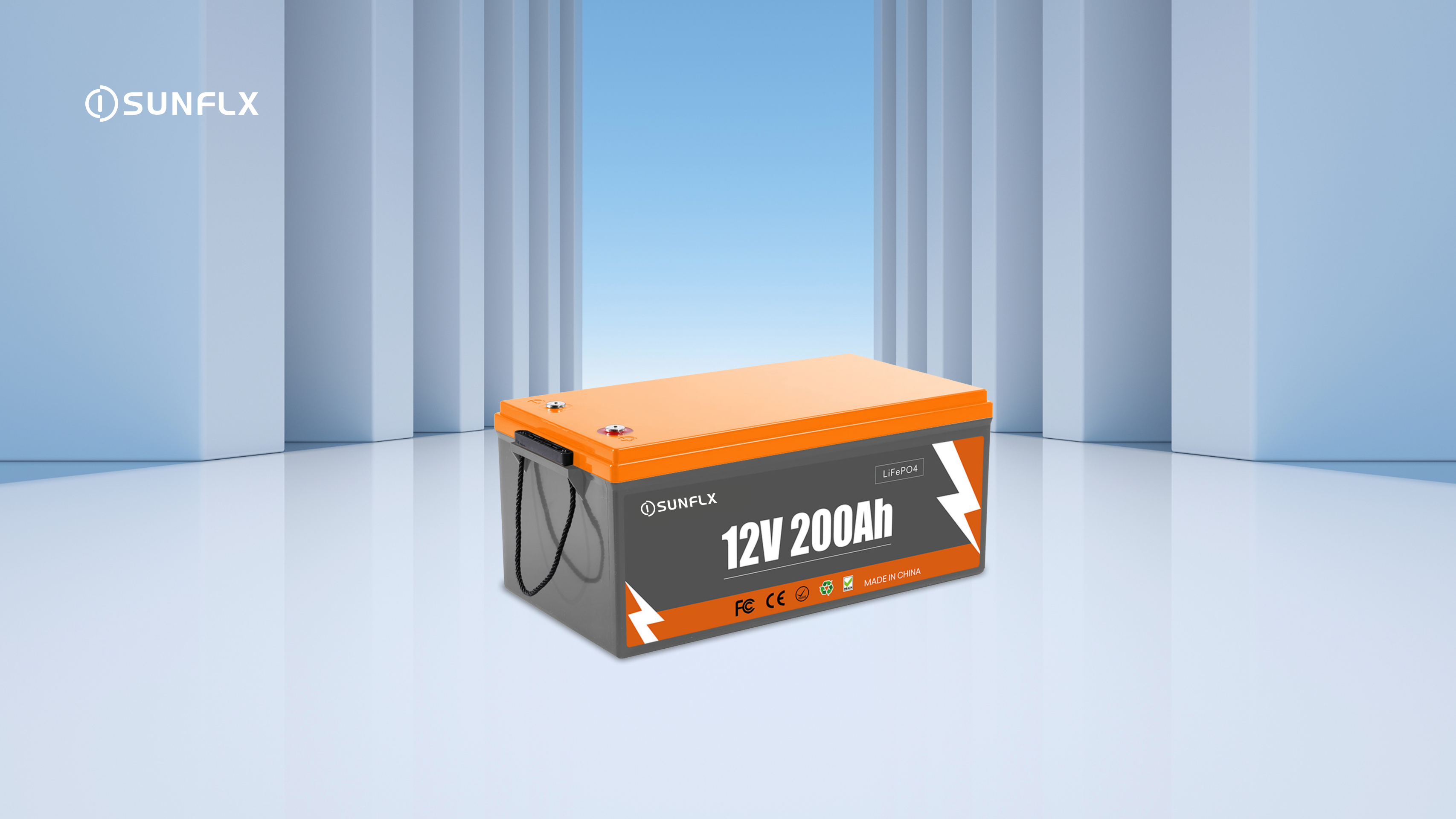
Battery Backup for Solar Inverters
The idea of having a battery backup for solar inverters is always intriguing, thanks to the numerous benefits it provides. If you live far from the utility grid, or if your area is susceptible to recurring power outages, then you must consider acquiring a backup system.
Likewise, solar energy consumers with adequate grid access can also benefit from battery backup for their solar inverters. It helps reduce the cost of electricity during peak demand and can guarantee the supply of just the right amounts of energy for your applications.
A battery backup offers peace of mind since it reserves energy while the sun is shining, and the solar panels produce electricity, which can be used for anything from keeping the lights on to running your refrigerator or powering medical devices. When the sun goes down or if there’s an outage, the system automatically switches to the stored energy, providing a seamless transition without any interruption in power.
Conclusion
Energy independence and cost savings can be achieved by combining solar inverters with battery storage systems. Solar inverters convert DC power into AC electricity through structured chemical reactions; then, batteries store excess energy for future use. This collaboration of solar inverters with battery storage is worth considering if you seek eco-friendly, efficient means of energy generation.
For those in remote locations or areas with frequent power outages, systems like SUNFLX solar storage inverters paired with battery storage can ensure a constant, reliable power supply, no matter the circumstances. Do not waste any more time and money depending generated electricity for your homes, visit SUNFLX website to cop your solar inverter with battery storage today.
FAQs
Q1: What is the lifespan of a lithium-ion battery in a solar energy system?
Lithium-ion batteries can last about 10-15 years. Buy their longevity largely depends on the level of usage and maintenance you put in them.
Q2: Can solar inverters work without battery systems?
Yes, there are off-grid inverters that can work without battery integration. However, batteries enhance energy reliability and independence, so it is best to couple your inverter with a battery for efficient energy generation.
Q3:What does battery capacity mean?
Battery capacity in simple terms refers to the amount of electricity your battery can store, which is generally measured in kilowatt-hours (kWh).
Q4: Who should install battery storage?
Your battery storage system should be installed by a professional to ensure it is done correctly and safely. Remember that not installing an inverter in the right way can lead to damage and fire outbreaks in the inverter’s components. Hence, ensure you contact a professional to help with the installation.
Q5: What maintenance is required for my batteries?

Hi,I am the author of this Post. From 2012, I have been the CEO of Sunflx Solar. With over 10 years Solar Field experience, I helped customers over 30 countries to boost their business. I wish my knowledge can help you to choose right solar products !
If you got any question about solar, just contact with me !

Powering the Future: Lithium-ion vs. Lead-Acid Batteries – Which Sparks the Brightest Future?(Update 2026)

How to solve Inverter & battery Communication issues ?

How Long Does a Solar Inverter Last? 5 Key Factors That Can Extend Its Life

Difference Between High-Frequency (HF) and Low-Frequency (LF) Solar Inverter?
Contact Us Now!
MADE STRONG
SUNFLX POWER LONG.